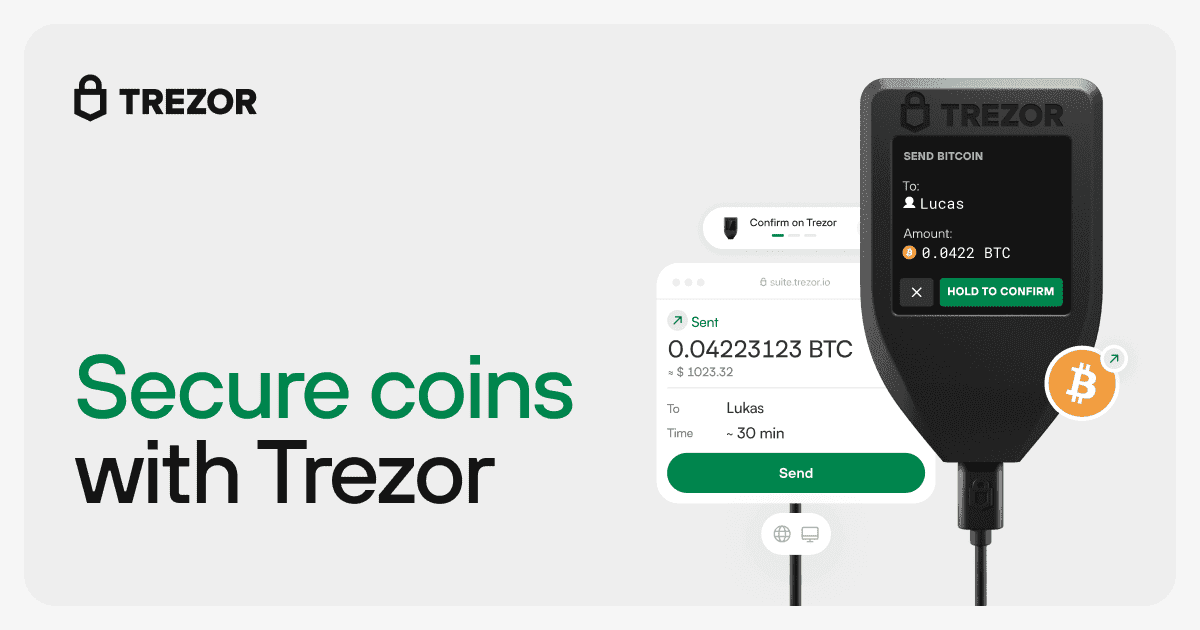
Trezor Bridge: The Essential Link for Your Hardware Wallet
In the world of cryptocurrency, security is the ultimate priority. While hardware wallets like the Trezor Model T and Safe 3 offer top-tier protection by keeping private keys offline, they still need a way to communicate safely with your computer's browser.
This is where Trezor Bridge comes into play. It acts as the invisible translator between your hardware device and your web-based applications.
What Exactly is Trezor Bridge?
Trezor Bridge is a small piece of software—technically a background process—that runs on your computer (Windows, macOS, or Linux). Its primary job is to facilitate communication between the Trezor hardware device and supported web browsers like Chrome, Firefox, and Brave.
In the early days of crypto, browsers used a technology called NPAPI to talk to hardware. When browsers phased that out for security reasons, Trezor developed the Bridge to ensure users could still manage their assets via the Trezor Suite web interface and other third-party integrations.
Key Functions
Communication Protocol: It translates commands from the web interface into a language the hardware device understands.
Security Layer: It ensures that your private keys never leave the Trezor device, even while you are interacting with a website.
Driver Management: It acts as a specialized driver that recognizes when a Trezor device is plugged into a USB port.
Why Do You Need It?
You might wonder why you can't just plug in the device and start trading. Most modern browsers are "sandboxed" for your protection, meaning they aren't allowed to access your computer’s hardware (like USB ports) directly without a trusted intermediary.
Without Trezor Bridge, you may experience:
The "Device Not Detected" error in your browser.
Inability to sign transactions for DeFi protocols like MetaMask or Unisat.
Issues updating firmware via the web version of Trezor Suite.
Step-by-Step Installation Guide
Setting up Trezor Bridge is a "set it and forget it" process. Once installed, it runs quietly in the background.
StepActionDescription1DownloadVisit the official Trezor website to download the installer for your OS.2InstallRun the .exe, .dmg, or .deb file and follow the on-screen prompts.3RestartWhile not always required, restarting your browser ensures the Bridge is recognized.4VerifyCheck your system tray or activity monitor for the "Trezor Bridge" process.
Security Tip: Never download Trezor Bridge from a third-party link, a GitHub repository you don't recognize, or a pop-up ad. Only use the official trezor.io domain.
How Trezor Bridge Protects Your Assets
It is important to understand that Trezor Bridge does not have access to your seed phrase or private keys. Its role is strictly as a messenger.
Request: The website (e.g., a crypto exchange) asks for a digital signature.
Pass-through: Trezor Bridge sends this request to your Trezor device.
Physical Confirmation: You look at your Trezor screen and physically press a button to approve.
Signed Result: The device signs the transaction internally and sends the signature (not the key) back through the Bridge to the website.
Troubleshooting Common Issues
Even the best software can hit a snag. If your device isn't being recognized, try these steps:
1. Check the Status Page
You can verify if the bridge is working by visiting http://127.0.0.1:21325/status/ in your browser. If it loads a status page, the software is running correctly.
2. The USB Cable Factor
Many "connection" issues are actually hardware issues. Always use the original USB cable provided by Trezor. Some third-party cables are for charging only and do not support data transfer.
3. Conflicting Software
VPNs, strict firewalls, or aggressive antivirus software can sometimes block the local communication between the Bridge and your browser. Try temporarily disabling these if you face persistent connection errors.
The Future: Trezor Suite Desktop vs. Bridge
While Trezor Bridge is essential for web-based interactions, Trezor has also released the Trezor Suite Desktop App.
Trezor Suite (Desktop): Has the "Bridge" functionality built-in. If you use the desktop app, you don't need to install a separate Bridge.
Trezor Bridge: Still necessary for users who prefer the web-based Suite or use their Trezor with third-party web wallets like MetaMask, MyEtherWallet, or Yoroi.
Conclusion: A Small Tool for Big Security
Trezor Bridge might be a small download, but it is a critical component of the hardware wallet ecosystem. It bridges the gap between the high-security, offline world of your Trezor device and the fast-paced, online world of Web3. By keeping this tool updated, you ensure that your journey through the decentralized web remains seamless and, most importantly, secure.